







Table of Contents
Nutrient burn is a common issue among plant enthusiasts, often resulting from over-fertilization or improper nutrient application. It manifests through various symptoms such as leaf discoloration, wilting, and stunted growth. However, with the right approach, it’s entirely manageable. In this detailed guide, we’ll explore proven methods to treat nutrient burn and revive your plants to their former glory.
Understanding Nutrient Burn

Nutrient burn occurs when plants receive an excess of nutrients, leading to chemical imbalances within their systems. This overabundance disrupts normal metabolic functions, resulting in visible damage. Symptoms may include yellowing or browning of leaves, leaf tip burn, and overall diminished vitality.
To effectively address nutrient burn, it’s crucial to identify the underlying causes and implement targeted solutions.
Identifying Symptoms of Nutrient Burn
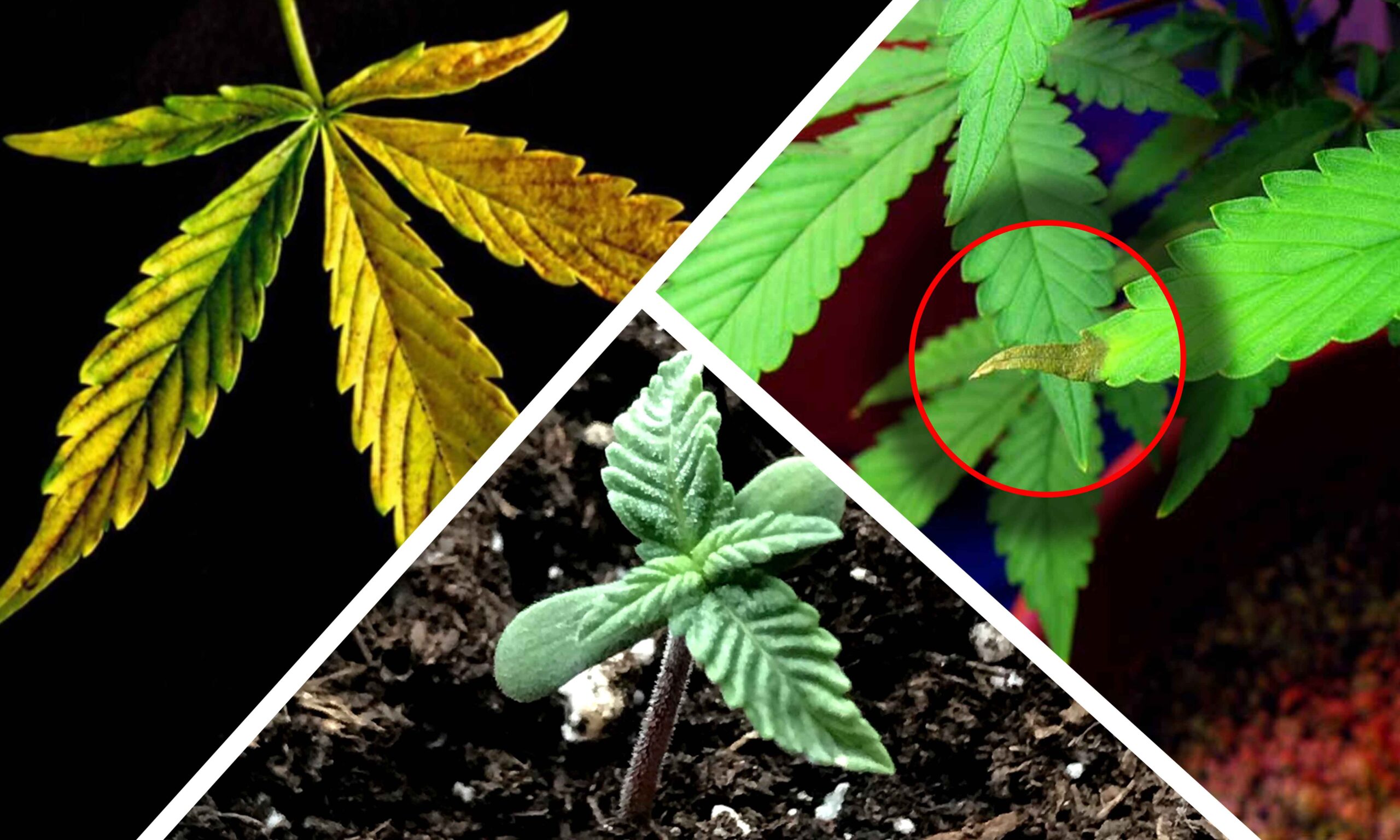
Recognizing the signs of nutrient burn is the first step in addressing the issue. Common symptoms include:
- Leaf Discoloration: Yellowing, browning, or darkening of leaves.
- Leaf Tip Burn: Browning or necrosis starting from the tips of leaves.
- Stunted Growth: Lack of new growth or reduced overall plant vigor.
Nutrient burn can also manifest differently depending on the type of plant and the specific nutrients involved. Some plants may exhibit symptoms more prominently than others, making it essential to closely monitor your plants’ health.
Understanding Nutrient Imbalances
Nutrient burn often indicates an imbalance in essential macronutrients such as nitrogen (N), phosphorus (P), and potassium (K), as well as micronutrients like iron, magnesium, and calcium. These nutrients play crucial roles in plant growth and development, and an excess or deficiency can disrupt metabolic processes.
Nitrogen, for example, is essential for leafy green growth but can cause burn symptoms when overapplied. Phosphorus is vital for root development and flowering but can lead to toxicity if levels are too high. Potassium helps regulate water uptake and enzyme activation but can result in leaf scorch if present in excess.
By understanding the roles of different nutrients and their effects on plant health, you can better diagnose and treat nutrient burn effectively.
How to Treat Nutrient Burn
Addressing nutrient burn requires a multi-faceted approach tailored to the specific needs of your plants. Here’s a step-by-step guide on how to effectively treat nutrient burn:
1. Flush the Soil
Begin by flushing the soil with plain, pH-balanced water. This helps to remove excess salts and nutrients accumulated in the soil, restoring a healthier balance. Ensure thorough watering until runoff is clear.
2. Adjust Nutrient Levels
Review your fertilization regimen and adjust nutrient levels accordingly. Opt for a balanced fertilizer with an N-P-K ratio appropriate for your plant species. Gradually reintroduce nutrients to avoid further stress.
3. Monitor Watering Practices
Evaluate your watering schedule to prevent overhydration, which can exacerbate nutrient burn. Allow the soil to partially dry between watering sessions, ensuring proper drainage to prevent waterlogging.
4. Prune Affected Areas
Trim away damaged foliage to promote new growth and prevent the spread of stress signals throughout the plant. Use sterile pruning tools to minimize the risk of infection.
5. Provide Adequate Lighting
Ensure your plants receive sufficient light exposure suited to their specific requirements. Proper lighting encourages photosynthesis and enhances overall plant resilience.
6. Enhance Air Circulation
Improve air circulation around your plants to reduce humidity levels and minimize the risk of fungal infections. Use fans or natural ventilation to create a conducive growing environment.
7. Implement Foliar Feeding
Supplement soil nutrients with foliar feeding, applying a diluted fertilizer solution directly to the leaves. This facilitates rapid nutrient absorption and supports plant recovery.
8. Utilize Soil Amendments
Incorporate organic soil amendments such as compost or aged manure to improve soil structure and nutrient retention. These natural amendments provide a slow-release source of nutrients, promoting long-term plant health without the risk of burn.
9. Consider pH Adjustment
Monitor soil pH levels and make adjustments as needed to optimize nutrient availability. Most plants prefer slightly acidic to neutral soil conditions, so use pH testing kits to ensure the soil remains within the optimal range.
10. Practice Balanced Feeding
Avoid over-reliance on synthetic fertilizers and instead focus on balanced feeding with organic alternatives. Organic fertilizers release nutrients gradually, reducing the risk of nutrient burn while promoting soil health and microbial activity.
11. Seek Professional Advice
If nutrient burn persists despite your efforts, consider seeking advice from a professional horticulturist or agricultural extension service. They can provide personalized recommendations based on soil tests and plant observations, helping you address underlying issues effectively.
12. Preventative Measures
Once you’ve successfully treated nutrient burn, take preventative measures to avoid recurrence in the future. This includes maintaining proper fertilization practices, monitoring soil health, and regularly inspecting plants for signs of stress or nutrient deficiencies.
13. Continuous Monitoring
Continue to monitor your plants’ health and make adjustments as needed to ensure they remain vibrant and thriving. Regular observation allows you to detect early warning signs of nutrient imbalances or other issues, preventing future problems before they escalate.
Conclusion
In conclusion, nutrient burn is a manageable issue that requires proactive intervention and proper care. By following the outlined steps and implementing targeted solutions, you can effectively treat nutrient burn and restore your plants to optimal health and vitality. Remember to stay vigilant, prioritize plant health, and enjoy the rewarding experience of nurturing thriving greenery.