






Table of Contents
In indoor gardening, maintaining an optimal temperature within your grow tent is crucial for the health and productivity of your plants that is why grow room too cold is not acceptable. Cold temperatures can impede growth and even lead to irreversible damage. Here, we present a guide on how to effectively manage and mitigate cold temperatures within your grow tent, ensuring optimal conditions for plant growth and vitality.
Ventilation from a Lung Room
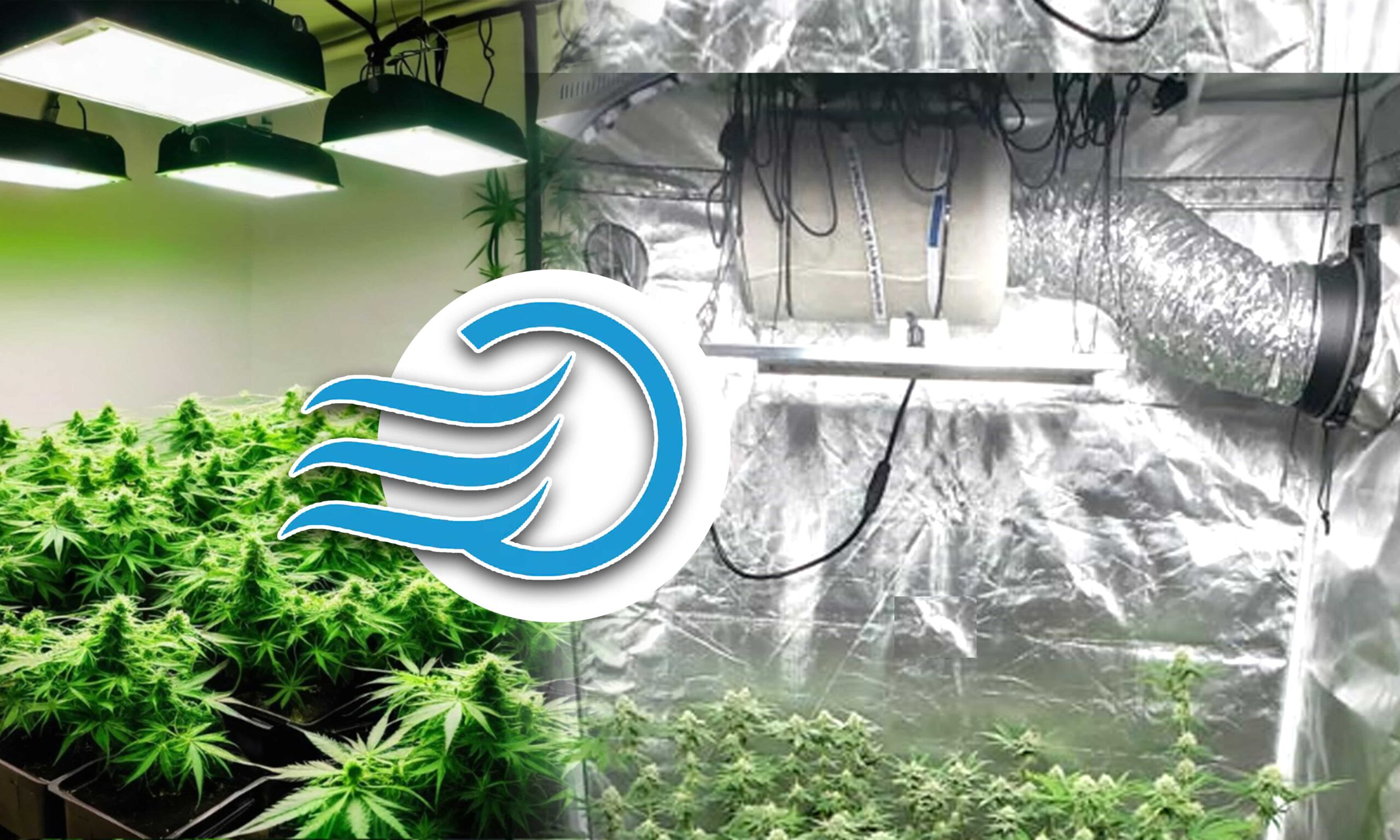
Indoor gardeners often overlook the significance of proper ventilation in maintaining stable grow tent temperatures. Ventilating your grow tent from a lung room, such as a crawlspace, attic, or another interior space, provides a consistent source of air that is typically warmer than outdoor air during colder seasons. By drawing air from a lung room, growers can moderate the temperature inside the tent, creating a more favorable environment for plant growth. Additionally, utilizing a duct system to facilitate airflow can further optimize temperature control, allowing growers to adjust the intake of warmer air as needed to counteract cold spells.
Fan Speed Control
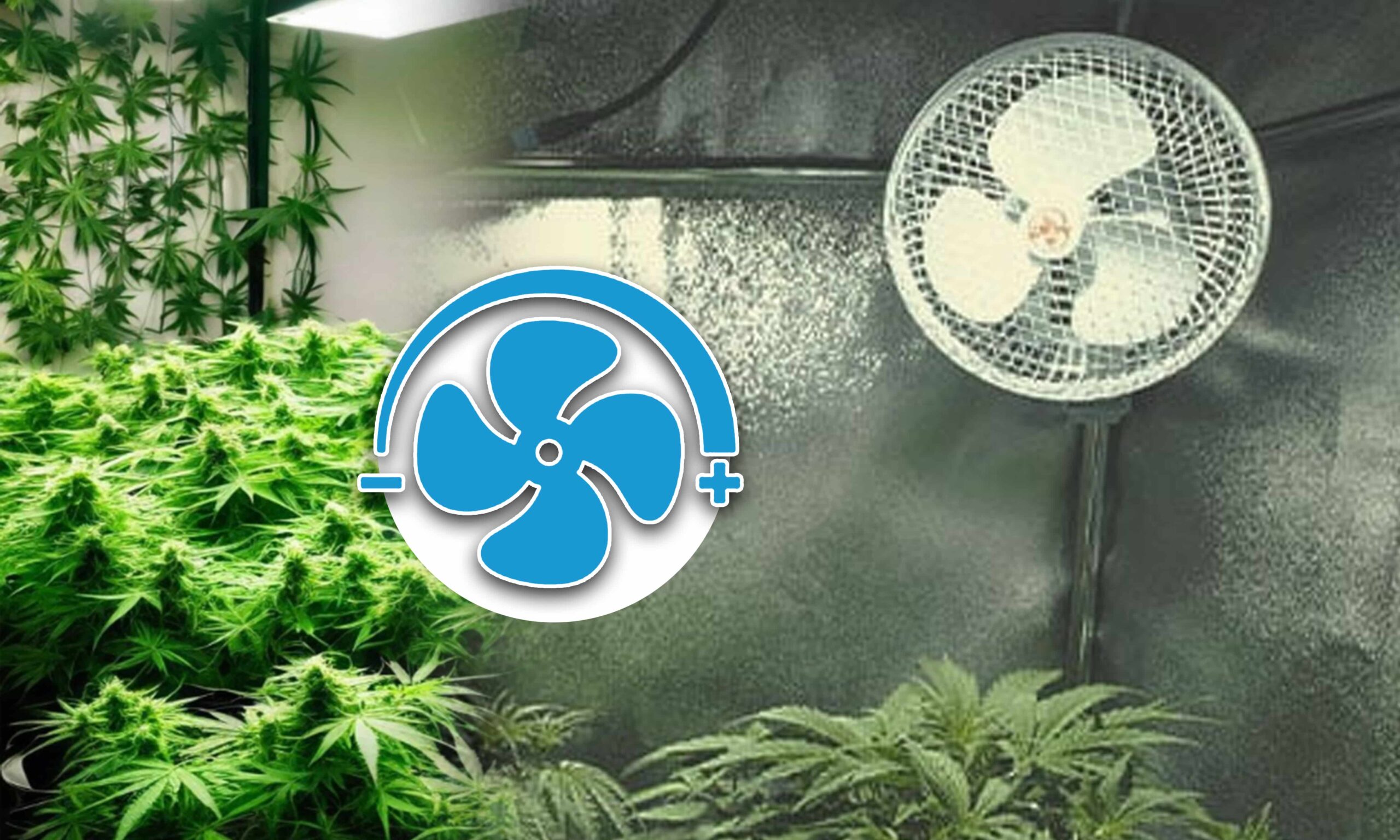
Achieving the right balance of airflow within the grow tent is essential for temperature regulation. Intake and exhaust fans play a critical role in circulating air and maintaining optimal conditions for plant growth. However, excessive airflow can lead to temperature fluctuations, particularly during colder periods. By dimming intake and exhaust fans with a fan speed controller, growers can fine-tune airflow to achieve the desired temperature range without compromising air exchange. It’s important to note that while thermostat control may seem like a convenient solution, it can inadvertently disrupt airflow patterns and hinder CO2 and humidity levels. Therefore, manual adjustment using a fan speed controller offers greater flexibility in temperature management, ensuring consistent conditions for plant health and vitality.
De-glassing HID Lights
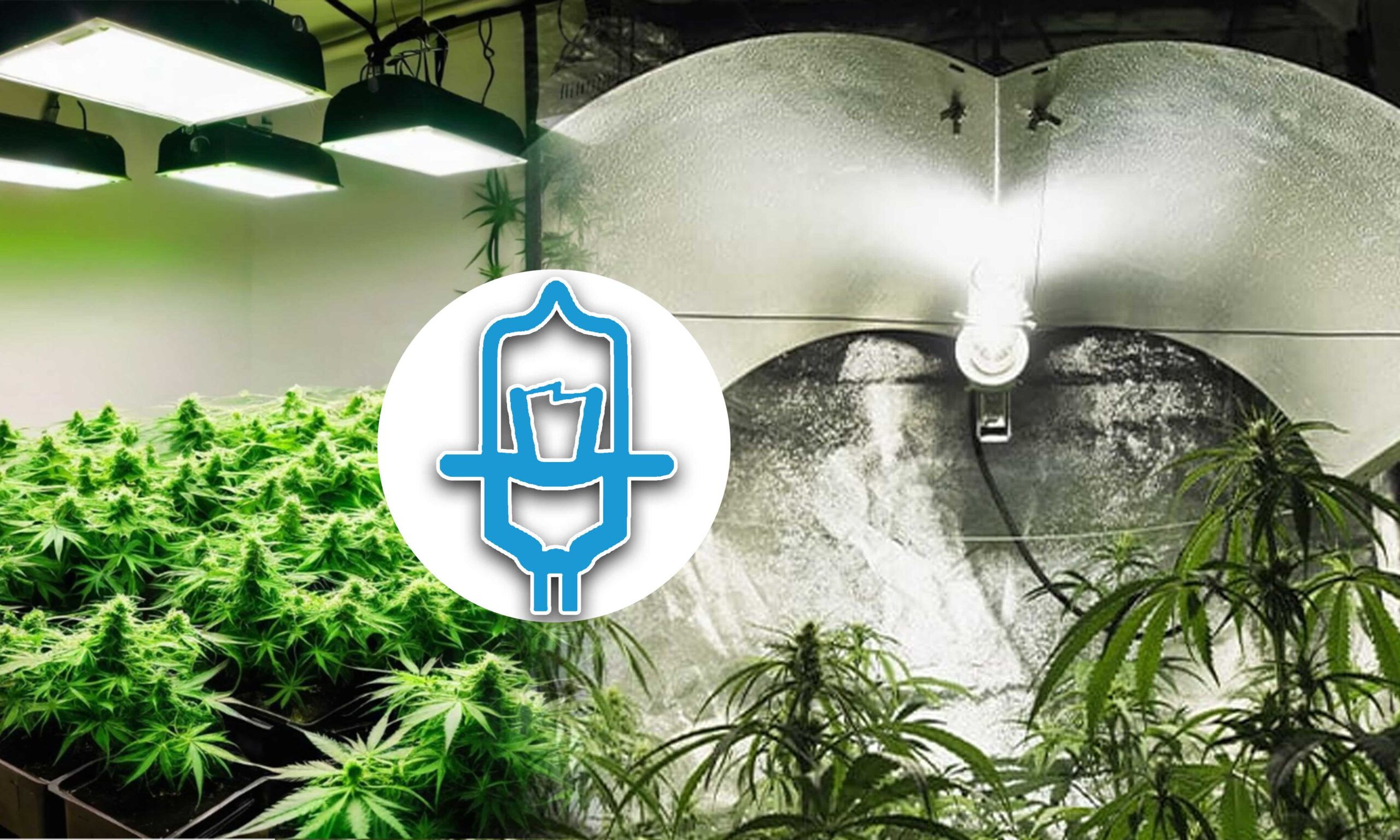
High-intensity discharge (HID) lights are a popular choice among indoor growers due to their efficiency and effectiveness in promoting plant growth. However, these lights can also contribute to heat buildup within the grow tent, especially when used in conjunction with air-cooling systems. De-glassing the hoods of HID lights is a simple yet effective strategy for dissipating excess heat and optimizing light distribution. By removing the glass coverings, growers allow for better heat dissipation, reducing the risk of overheating and creating a more uniform light spread. Additionally, de-glassing can increase the available light intensity by 10-15%, providing plants with the necessary energy for robust growth and development.
Air Diffuser Creation
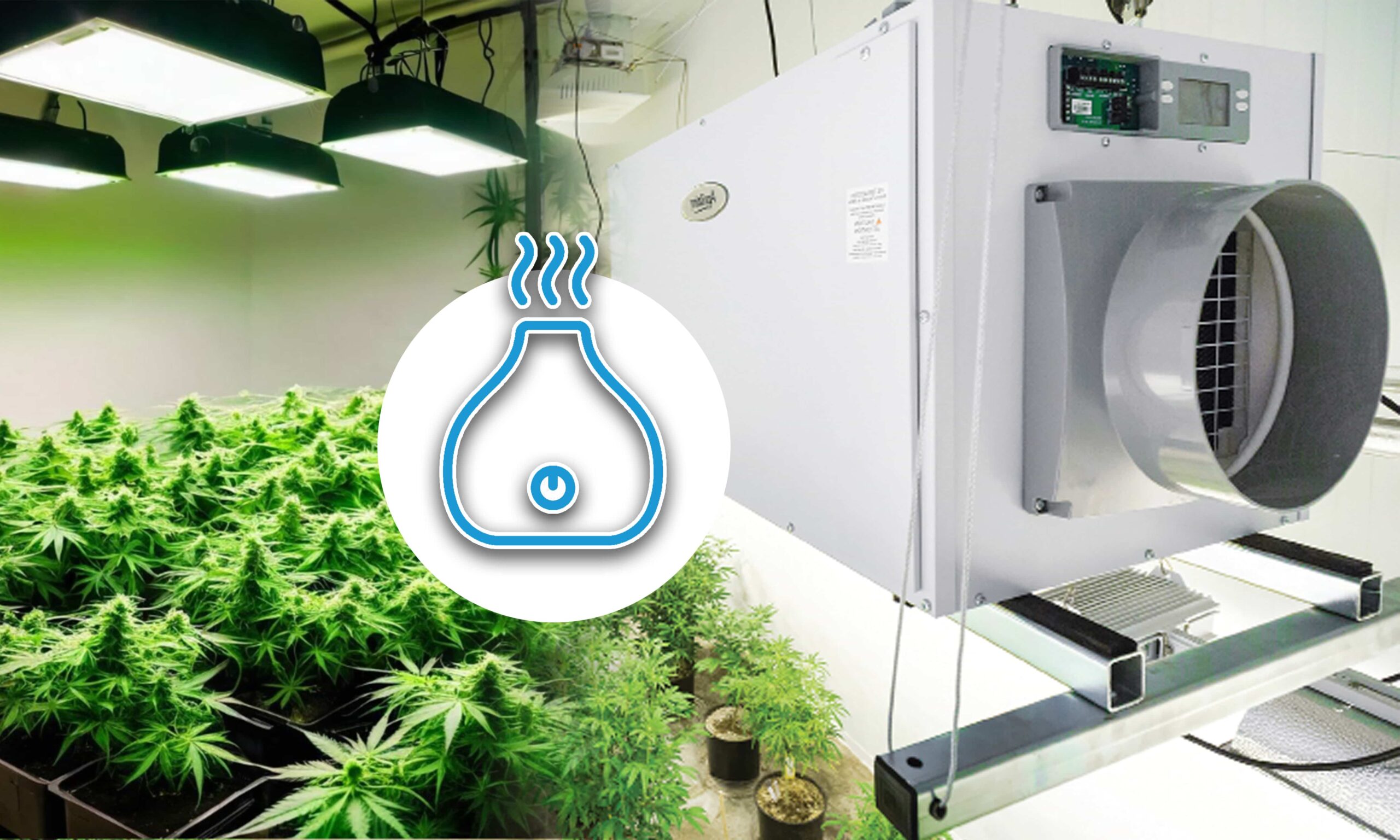
Maintaining uniform airflow within the grow tent is crucial for preventing temperature differentials that can stress or damage plants. One effective method for achieving this is by creating an air diffuser to distribute incoming air more evenly. A DIY air diffuser can be easily constructed using flexible ducting, which is readily available at hardware stores. By running a length of ducting around the perimeter of the grow tent and cutting small slits at regular intervals, growers can ensure that air is dispersed evenly throughout the space, minimizing the risk of temperature shocks to plants near the intake vent. This simple yet practical solution promotes consistent growth conditions, allowing plants to thrive in an optimal environment.
Additional Lighting
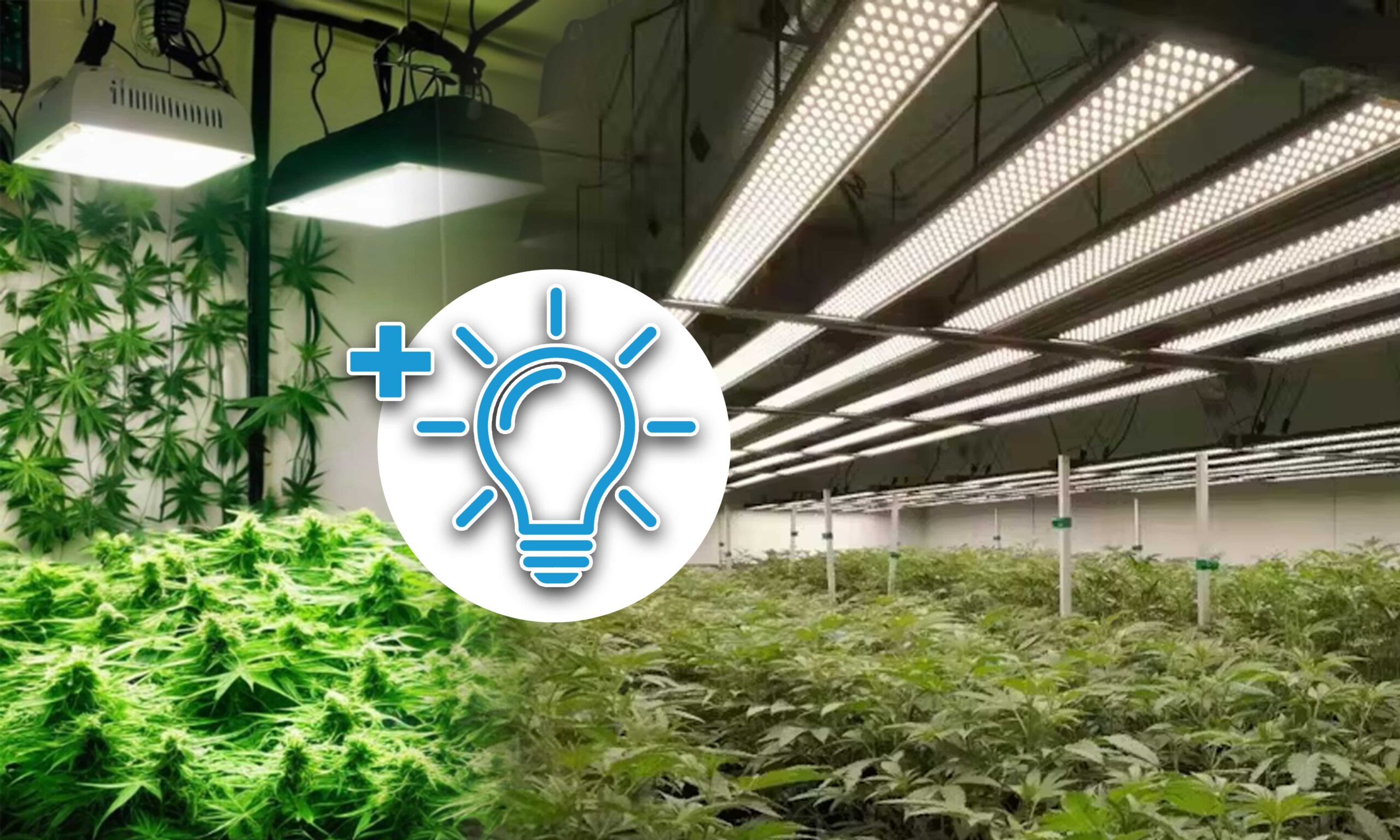
While conventional wisdom may suggest using space heaters to combat cold temperatures in the grow tent, this approach can be both inefficient and potentially hazardous. Instead, growers can leverage the power of additional lighting to not only provide supplemental light but also generate heat. High-intensity discharge (HID) or T5 fixtures are ideal for this purpose, as they emit both light and heat, effectively raising the temperature within the grow tent. By strategically placing additional light fixtures, growers can create a balanced lighting environment that promotes healthy plant growth while mitigating the effects of cold temperatures. This dual-purpose solution not only optimizes grow tent conditions but also reduces energy consumption and minimizes safety risks associated with space heaters.
In conclusion, proactive temperature management is essential for maximizing indoor gardening success. By implementing the strategies outlined above, growers can effectively regulate grow tent temperatures, creating an optimal environment for robust plant growth and development. From ventilation to lighting optimization, each technique plays a crucial role in maintaining stable conditions within the grow tent, ensuring that plants thrive regardless of external temperature fluctuations. By prioritizing temperature control and adopting innovative solutions, indoor gardeners can achieve superior results and cultivate healthy, vibrant plants year-round.
FAQs
Q: Can I use a regular household fan to regulate the temperature in my grow tent?
A: While a household fan can help with air circulation, it may not effectively regulate temperature. It’s best to use fans specifically designed for grow tents, as they are equipped to handle the unique environment and airflow requirements.
Q: Will adding more plants to my grow tent help raise the temperature?
A: Adding more plants may slightly increase the temperature due to their collective respiration, but it’s not a reliable method for significant temperature control. It’s better to focus on implementing targeted temperature management strategies like ventilation and lighting adjustments.
Q: Can I use a portable heater to warm up my grow tent during cold weather?
A: Portable heaters can be risky in a grow tent due to safety concerns such as fire hazards and uneven heat distribution. It’s recommended to avoid using space heaters and instead opt for lighting fixtures that emit both light and heat or other temperature control methods outlined in the article.
Q: How often should I adjust the fan speed in my grow tent?
A: The frequency of fan speed adjustments depends on factors like ambient temperature, humidity levels, and plant growth stage. Monitor the temperature regularly and adjust the fan speed as needed to maintain optimal conditions for plant growth.
Q: Is it necessary to use a thermostat to control the temperature in my grow tent?
A: While thermostats can automate temperature control, they may not always provide the most effective solution, especially in grow tent environments where maintaining optimal CO2 and humidity levels is crucial. Manual adjustment using a fan speed controller offers greater flexibility and control over airflow and temperature regulation.