





Table of Contents
The precision and care are paramount for achieving healthy and bountiful yields. Among the various cultivation techniques, two popular methods have gained prominence: cannabis topping vs. fimming. Both are employed to enhance plant growth and maximize yields, but they differ in their approaches and outcomes. In this comprehensive guide, we’ll delve deeper into the nuances of cannabis topping vs. fimming, their advantages, disadvantages, and when to use each method for optimal results.
Understanding Cannabis Topping
What is Cannabis Topping?
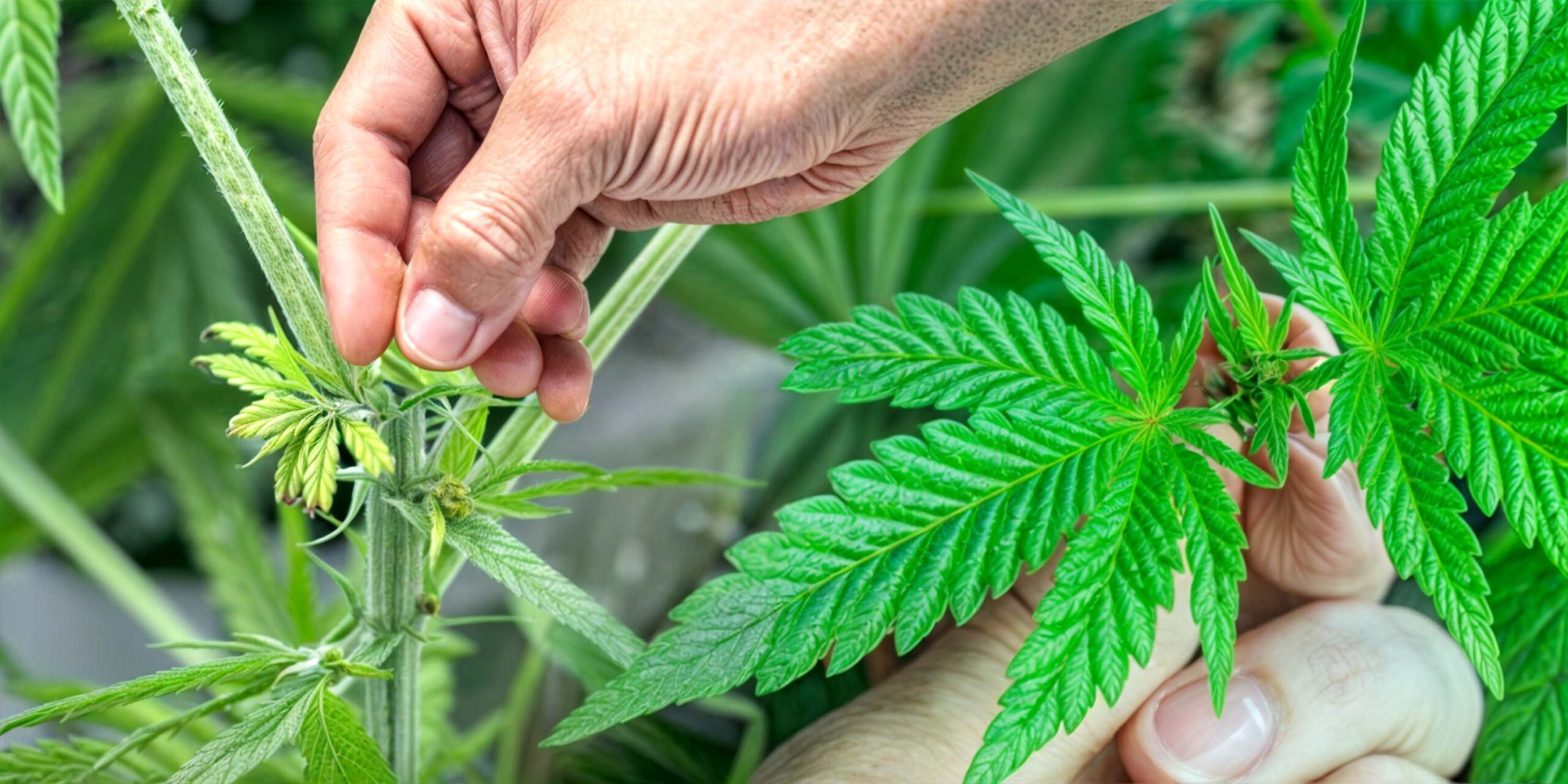
Cannabis topping is a pruning technique that involves strategically cutting off the top part of the main stem or the dominant shoot of a cannabis plant. The primary objective is to encourage the plant to divert its energy and resources towards the growth of multiple branches and secondary shoots. This action results in a bushier and more productive plant overall.
The Process of Topping
To successfully top a cannabis plant, it’s essential to follow a few key steps:
- Timing is Crucial: Wait until the plant has developed a few sets of true leaves and is at least a few weeks old. Topping too early can stress the plant.
- Locate the Dominant Stem: Identify the main stem or the tallest shoot, as this is the part you will be cutting.
- Precise Cutting: Using clean scissors or pruning shears, carefully cut the main stem just above the desired node, which is usually situated below a set of leaves.
- Stimulating Growth: This pruning action stimulates the plant to grow two new shoots from the node where you made the cut, effectively creating a “Y” shape in the growth pattern.
Advantages of Topping
- Increased Bushiness: One of the most notable advantages of topping weed plants is that it encourages lateral growth. This lateral branching creates a bushier plant, which can be highly beneficial, especially in indoor setups with limited space.
- Improved Light Distribution: Bushier plants allow for better light distribution throughout the canopy. This optimization of light exposure is vital for the process of photosynthesis and ensures that all parts of the plant receive adequate light.
- Enhanced Yield Potential: With more branches and potential bud sites, topping plants can lead to significantly higher yields during the flowering stage. This makes it a popular choice among experienced growers aiming for maximum harvests.
Disadvantages of Topping
- Slower Recovery: After cannabis topping, the plant needs time to recover and redirect its energy towards the new growth. This may result in a slight delay in flowering compared to unpruned plants.
- Increased Maintenance: Bushier plants may require more attention and pruning to prevent overcrowding and ensure proper air circulation. It’s essential to stay vigilant to avoid potential issues like mold or mildew.
The Art of Fimming
What is Fimming?
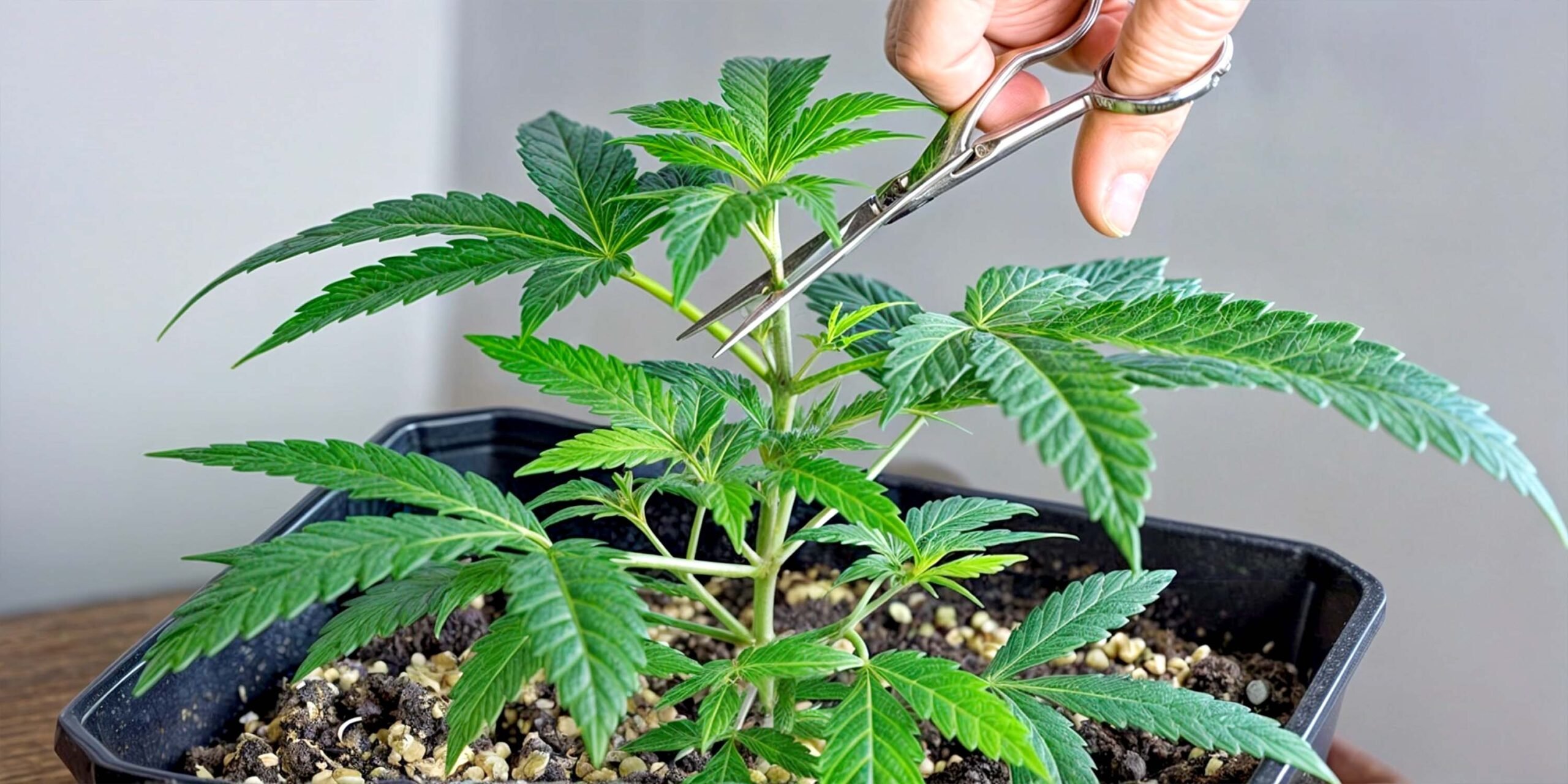
Fimming, an abbreviation for “F**k, I Missed,” is a pruning technique that takes a less aggressive approach compared to cannabis fimming. With fimming weed palnts, you’ll be pinching off the top growth of the main stem or dominant shoot, but you’ll leave a small portion behind. This subtle modification encourages the development of multiple shoot tips and contributes to a bushier growth pattern.
The Process of Fimming
Fim Cannabis requires a delicate touch, and the process can be broken down into the following steps:
- Locate the Tip: Begin by identifying the tip of the main stem or dominant shoot, which is the part you’ll be modifying.
- Precise Pruning: Instead of cutting off the tip entirely, pinch or snip off approximately 75% of it, leaving a small portion behind. This remaining portion will go on to develop into multiple new shoot tips.
Advantages of Fimming
- Extensive Branching: Fimming takes the concept of lateral growth to the next level. It encourages even more lateral branching than cannabis topping, resulting in a plant that resembles a lush bush.
- Reduced Stress: Fimming plants is considered less stressful for the plant compared to topping. The smaller cut and the retention of some growth at the tip enable faster recovery.
- Ideal for Limited Spaces: Fim Cannabis is an excellent choice for growers with confined vertical spaces. It helps maintain a compact and manageable plant size while still maximizing yield potential.
Disadvantages of Fimming
- Less Predictable: While fimming can lead to extensive branching, it’s somewhat less predictable than cannabis fimming vs. topping. The outcomes may vary from plant to plant, making it essential to monitor the response of each individual.
- Strain Variability: Some cannabis strains respond more favorably to cannabis topping than fimming, while others thrive with fimming. Understanding your specific strain’s characteristics can help you choose the right technique.
When to Choose Topping or Fimming
Making the Right Decision
Selecting the appropriate pruning technique, whether it’s topping vs. fimming, involves careful consideration of several factors:
- Strain Selection: Different cannabis strains may respond better to one technique over the other. Researching the characteristics of your chosen strain can provide valuable insights into the best approach.
- Grow Space: Assess your available cultivation space. If you have limited vertical space, fimming may be the more practical choice, as it maintains a compact plant structure.
- Experience Level: Consider your level of experience as a grower. Fimming is generally considered more forgiving and suitable for beginners, while topping vs. fimming requires a bit more precision and experience.
- Cultivation Goals: Define your cultivation goals. Are you looking to maximize yields, manage plant size, or experiment with different techniques? Your objectives will influence your choice.
Conclusion
In cannabis cultivation, the decision between cannabis topping vs. fimming should align with your specific needs and circumstances. Topping encourages lateral growth and is well-suited for maximizing yields in spacious grow areas. In contrast, fimming is a more forgiving method that thrives in compact spaces. Always remember to consider your strain’s characteristics and your level of experience when determining which technique to employ.
FAQs
1. Is topping or fimming better for increasing yields?
Both cannabis topping and fimming can enhance yields, but topping is often favored for achieving larger yields in more spacious grow environments.
2. Can I use both topping and fimming on the same plant?
Yes, some growers employ a combination of both techniques to strike a balance between a bushy structure and increased bud sites.
3. How long does it take for a plant to recover after topping or fimming?
Recovery times can vary but generally range from a few days to a couple of weeks. Keep a close eye on your plants during this critical period.
4. Are there strains that don’t respond well to topping or fimming?
Yes, some strains may not exhibit favorable responses to these techniques, so researching your strain’s specific traits beforehand is advisable.
5. Can I use these techniques in outdoor cultivation?
Absolutely, both cannabis topping and fimming can be applied to outdoor cannabis plants to enhance growth and yield, provided you consider the unique conditions of outdoor cultivation.