




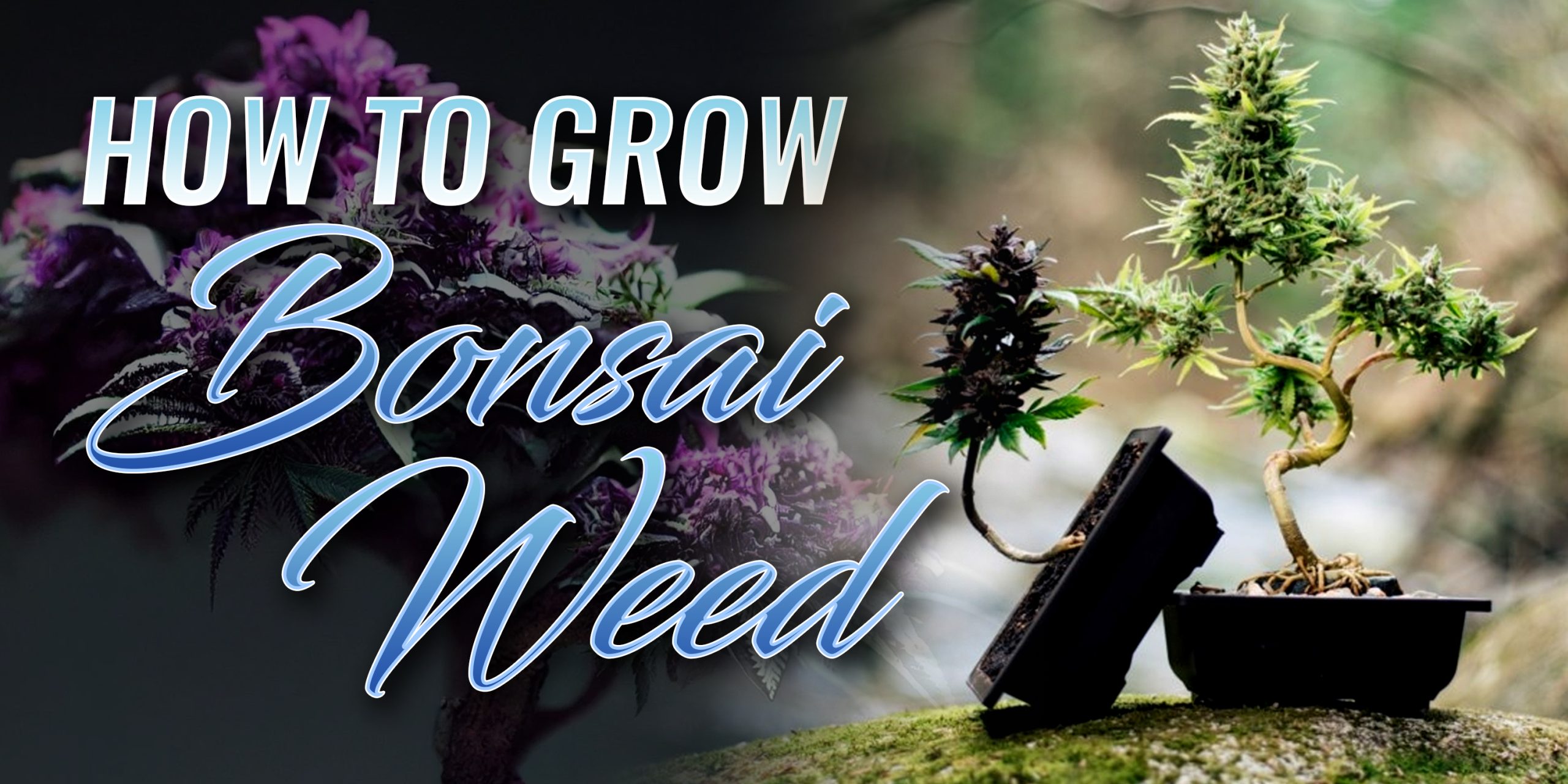
In the deep history of cannabis cultivation, there exists a captivating and creative practice that combines the art of cultivation with the beauty of nature: bonsai. Bonsai, which originated in Japan, involves the cultivation of miniature trees in pots or containers. While bonsai is traditionally associated with trees like pines and maples, there is a rising trend that has cannabis enthusiasts and botanists alike intrigued – the art of bonsai weed.
Understanding the Bonsai Concept
What is Bonsai?
Bonsai, in its essence, is the art of cultivating miniature trees. It is an ancient practice rooted in Japanese culture, known for its meticulous care, patience, and artistic expression. Bonsai translates to “tray planting,” and it encapsulates the essence of bringing the beauty of nature into a compact and carefully crafted form. The history of bonsai dates back over a thousand years, with its roots firmly embedded in Chinese and Japanese traditions. It symbolizes a deep connection with the natural world, capturing the essence of a mature tree in a diminutive form.
Bonsai Philosophy
The philosophy behind bonsai emphasizes harmony, balance, and the representation of nature in miniature form. It’s a blend of horticulture and artistry, where each tree tells a unique story. Practitioners of bonsai strive to create living works of art that reflect the tranquility of nature. The choice of pot, the arrangement of branches, and the shaping of the tree all contribute to the overall aesthetics and emotional resonance of the bonsai. Bonsai artists often find inspiration in the landscapes they observe, seeking to replicate the rugged beauty of ancient trees clinging to cliffs or the elegance of a solitary tree in a field.
Bonsai Styles
Bonsai offers various styles, each with its own character and appeal. These styles include:
- Formal Upright (Chokkan): The tree grows straight and upright, reflecting stability and strength.
- Informal Upright (Moyogi): This style allows for a more natural and flowing appearance, with subtle curves in the trunk.
- Slanting (Shakan): The tree has a noticeable slant, suggesting exposure to strong winds or other environmental factors.
- Cascade (Kengai): In this style, the tree cascades downward like a waterfall, creating a sense of drama and movement.
- Semi-Cascade (Han-Kengai): Similar to the cascade style but with a less pronounced downward flow.
Bonsai Meets Cannabis
The Bonsai Weed Revolution
In recent years, the cannabis community has embraced the art of bonsai to create captivating and compact cannabis plants. These miniature marvels not only showcase the plant’s beauty but also provide practical benefits for growers. Bonsai weed, also known as cannabis bonsai, has gained popularity for its blend of horticultural expertise and artistic expression.
Benefits of Bonsai Cannabis
- Control: Bonsai cannabis allows growers to have precise control over the plant’s growth, ensuring it remains small and manageable. By carefully trimming and shaping the cannabis plant, you can achieve a compact size that suits your space and preferences.
- Stealthy Growth: The discreet nature of bonsai marijuana plant makes it a perfect choice for growers with limited space or those who want to keep their cultivation efforts under the radar. These miniature plants can be easily concealed on a windowsill or balcony, away from prying eyes.
- Aesthetic Appeal: Bonsai cannabis plants are a sight to behold, with their intricate branches and lush foliage. They add a touch of natural beauty to any environment, whether it’s your living room or a dedicated grow space.
How to Create Your Bonsai Cannabis Masterpiece
Selecting the Right Strain
Begin by choosing a cannabis strain suitable for bonsai cultivation. Indica-dominant strains are often preferred due to their compact growth patterns. However, some sativa strains with manageable heights can also be used. Consider factors like the plant’s growth characteristics, size, and overall appearance when making your selection.
Pot and Soil
Select a small pot with excellent drainage. Bonsai cannabis plants require pots that are proportional to their size, providing just enough
space for their roots to grow. Well-draining soil is essential to prevent waterlogged roots and ensure proper aeration.
Pruning and Training
Regular pruning and training are essential to maintain the desired shape and size of your bonsai cannabis plant. Use techniques like topping (removing the apical bud to encourage lateral growth), LST (Low-Stress Training) to bend and shape branches, and defoliation to thin out excess foliage. These practices will help create a well-balanced and visually appealing bonsai.
Light and Nutrients
Provide adequate light and nutrients to ensure vigorous growth. Bonsai cannabis plants thrive under full-spectrum LED grow lights, which can be adjusted to the ideal height above the plant. Use a balanced and gentle fertilizer suitable for cannabis during the growing season. Monitor the plant’s nutrient needs closely to prevent overfeeding.
Tips for Success
Patience is Key
Bonsai cannabis requires time and patience. It may take several months or even years to achieve the desired miniature look. Be prepared for a long-term commitment to the art of cultivation.
Precision Matters
Be precise in your pruning and training efforts. Each cut and bend should contribute to the overall aesthetics of your bonsai cannabis plant. Take your time to study the plant’s growth patterns and adapt your techniques accordingly.
Regular Maintenance
Consistent care is crucial for the health of your bonsai cannabis. Water the plant when the top inch of soil feels dry, but avoid overwatering. Inspect the plant regularly for signs of pests or diseases and address any issues promptly. Keep the environment clean and well-ventilated to promote healthy growth.
Conclusion
Incorporating cannabis into the world of bonsai is a testament to the versatility and adaptability of this remarkable plant. Whether you’re a cannabis enthusiast or a horticultural artist, creating a bonsai cannabis plant can be a rewarding and visually stunning endeavor. It combines the ancient art of bonsai with the contemporary fascination with cannabis, resulting in miniature masterpieces that captivate the senses.
If you’re ready to embark on your own bonsai cannabis journey, remember to be patient, precise, and dedicated to the art form. With time and care, you can craft a miniature cannabis masterpiece that’s both aesthetically pleasing and functional, bringing the beauty of nature and the allure of cannabis into harmony.
Frequently Asked Questions (FAQs)
1. Is it legal to grow bonsai cannabis plants?
Yes, but it depends on your location. Check your local laws and regulations regarding cannabis cultivation. Always adhere to legal guidelines.
2. Can I use any cannabis strain for bonsai cultivation?
While you can use various strains, indica-dominant varieties are often preferred for their compact growth. Select a strain that suits your space and preferences.
3. How long does it take to create a bonsai cannabis plant?
It can take several months to years, depending on your goals and the plant’s growth rate. Bonsai is a long-term endeavor that requires dedication and patience.
4. Do bonsai cannabis plants produce usable buds?
Yes, bonsai cannabis plants can produce small quantities of usable buds, but they are primarily cultivated for their aesthetics. Don’t expect high yields; focus on the artistry.
5. Is bonsai cannabis suitable for beginners?
Bonsai cannabis requires some horticultural skill, so it’s best suited for intermediate to advanced growers. Beginners can start with simpler horticultural projects before venturing into bonsai.